
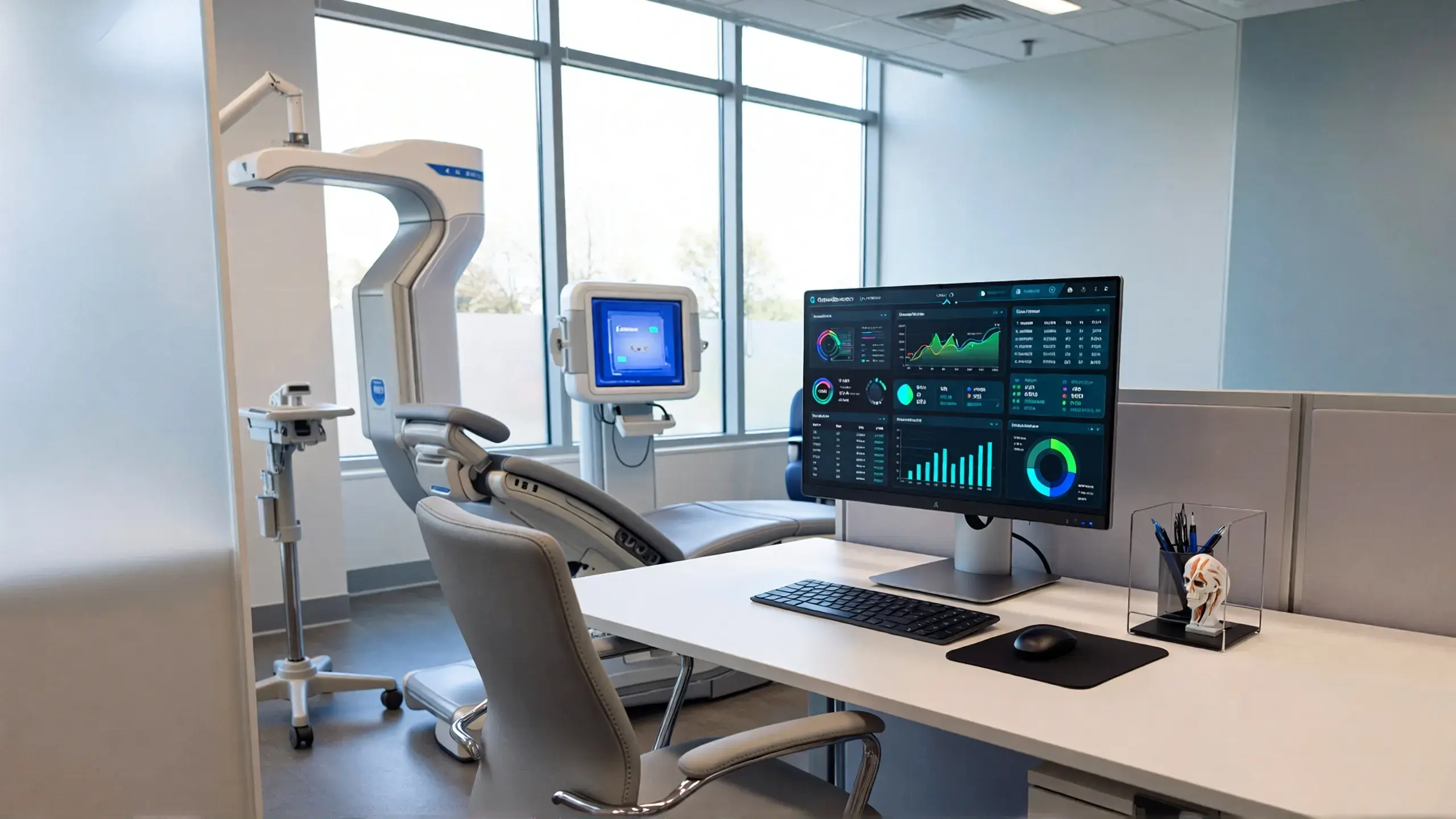
Orthopedic KPIs to Improve Billing Accuracy and Reduce Denials
Orthopedic practices face unique challenges with their finances. Complex procedures, specific coding rules, and insurance denials can cause major revenue loss. Without a clear view of your financial performance, your practice can lose money and struggle to grow. Strong orthopedic medical billing practices are essential for a healthy bottom line.
This guide will explain the most important Key Performance Indicators, or KPIs, for your orthopedic practice. You will learn what these metrics are, why they matter, and how to use them. By tracking these KPIs, you can improve billing accuracy, reduce claim denials, and boost your overall revenue.
What Are Key Performance Indicators in Medical Billing?
Think of Key Performance Indicators as a report card for your practice’s financial health. They are specific, measurable values that show how well your billing department is doing. KPIs help you see what is working and what is not. They turn complex billing data into simple numbers that you can understand and act on.
For an orthopedic practice, tracking KPIs is not just about numbers. It is about understanding your revenue cycle from start to finish. When you monitor these metrics, you can spot problems early. For example, you might see that a certain insurance company denies claims more often than others. This information allows you to fix the problem before it costs you too much money. KPIs give you the power to make smart decisions based on real data, not guesswork.
Essential KPIs for Orthopedic Billing Success
Several KPIs are vital for managing an orthopedic practice’s revenue cycle. Focusing on these key areas will provide the clearest picture of your financial performance and highlight opportunities for improvement.
Clean Claims Rate (CCR)
The Clean Claims Rate measures the percentage of claims that are accepted by a payer on the first submission. A clean claim has no errors. It does not need to be corrected and resubmitted. This is one of the most important indicators of a healthy billing process.
A high CCR means your team is doing a great job collecting accurate patient information, verifying insurance, and using the correct codes. This leads to faster payments and less administrative work. A low CCR signals problems at the front end of your process. You should aim for a Clean Claims Rate of 95% or higher. If your rate is lower, it is time to investigate why claims are being rejected.
Denial Rate
The Denial Rate is the percentage of claims that are denied by payers. While CCR measures first-pass success, the Denial Rate measures outright failures. Every denial costs your practice time and money. Your staff must investigate the denial, make corrections, and appeal the decision. This work takes them away from other important tasks.
A high denial rate directly impacts your cash flow. It is a major warning sign that something is wrong in your billing workflow. Common reasons for denials include coding errors, lack of prior authorization, or incorrect patient data. A healthy orthopedic practice should have a denial rate of 5% or less. Tracking this KPI helps you pinpoint the most common reasons for denials so you can fix them. Where Do Orthopedic Billing Companies Store and Manage Billing Data?
Days in Accounts Receivable (A/R)
Days in Accounts Receivable shows the average number of days it takes for your practice to collect payment for services. It is a measure of how long your money is tied up before it reaches your bank account. A lower number is always better, as it indicates a strong cash flow.
For orthopedic practices, the industry benchmark is typically between 30 and 40 days. If your A/R days are high, it could mean you have issues with slow claim submissions, a high denial rate, or ineffective follow-up on unpaid claims. Monitoring this KPI helps you keep your revenue cycle moving efficiently. Reducing your Days in A/R means you get paid faster, which improves the financial stability of your practice.
Net Collection Rate (NCR)
The Net Collection Rate is a true measure of your billing effectiveness. It shows you the percentage of the total allowed reimbursement that you actually collect. This KPI does not look at the full billed amount. Instead, it focuses on the amount you are contractually owed by payers and patients.
For example, if the total allowed amount for a procedure is $1,000 and you collect $970, your Net Collection Rate is 97%. A high NCR, ideally above 95%, shows that you are successful at collecting the money you have earned. A low NCR suggests you may be failing to collect patient balances, not appealing denied claims, or making significant coding errors. It is a critical indicator of your revenue cycle’s overall performance.
How to Track and Analyze Your Orthopedic Billing KPIs
Knowing your KPIs is only the first step. You must also have a system to track and analyze them regularly. Most modern practice management (PM) systems have built-in reporting tools that can calculate these metrics for you. You should generate reports at least once a month to stay on top of your performance.
When you review your KPI reports, look for trends. Is your denial rate slowly creeping up? Are your Days in A/R getting longer? These trends are often more important than a single month’s numbers. Share these findings with your billing team. Work together to identify the root causes of any negative trends. For instance, if you see a spike in denials for a specific procedure code, you can provide targeted training to your coders. Using data to guide your actions is the key to continuous improvement.
Common Reasons for Orthopedic Claim Denials
Understanding why claims get denied is crucial to lowering your denial rate. While reasons can vary, most orthopedic claim denials fall into a few common categories. By addressing these head-on, you can significantly improve your billing outcomes.
One of the most frequent issues is simple data entry errors. A misspelled patient name, an incorrect date of birth, or a wrong insurance policy number can lead to an immediate denial. These front-end mistakes are preventable with careful verification processes.
Coding errors are another major source of denials in orthopedics. The musculoskeletal system is complex, and so are its codes. Using an outdated or incorrect CPT or ICD-10 code will cause a claim to be rejected. Additionally, failing to use the right modifiers to describe a surgical procedure can lead to denials or underpayments.
Lack of prior authorization is also a common pitfall. Many orthopedic surgeries and advanced imaging tests require pre-approval from the insurance company. If you perform a procedure without getting this authorization, the payer will likely deny the claim. Finally, claims may be denied if the payer determines the service was not medically necessary based on the documentation provided. Clear, detailed clinical notes are essential to prove medical necessity.
Strategies to Reduce Claim Denials in Your Practice
Reducing claim denials requires a proactive approach that involves your entire team, from the front desk to the clinical staff. The first line of defense is at the front desk. Your staff should verify every patient’s insurance eligibility and benefits before their appointment. This ensures you have the correct information and helps you inform patients about their financial responsibility.
Next, focus on coding accuracy. Provide your coders with ongoing training specific to orthopedics. They need to be experts in coding for fractures, joint replacements, arthroscopic procedures, and other common treatments. Implement a process for internal audits, where a second person reviews complex claims before submission to catch potential errors.
Create a robust system for managing prior authorizations. Assign this responsibility to a specific person or team. They should know the requirements for different payers and track authorizations to ensure they are obtained before services are rendered. When you do receive a denial, do not just write it off. Establish a formal denial management process. Analyze the reason for each denial, appeal when appropriate, and use that information to fix the underlying problem in your workflow. See guidance to reduce claim denials
The Role of a Specialized Billing Service
Managing all these KPIs and implementing strategies for improvement can be overwhelming for a busy orthopedic practice. This is where partnering with a specialized medical billing service can make a significant difference. A company that focuses on orthopedics understands the unique challenges of your specialty.
These experts are already trained in complex orthopedic codes and payer-specific rules. They have proven processes for verifying eligibility, securing prior authorizations, and managing denials. By outsourcing your billing, you gain access to a team of professionals dedicated to maximizing your revenue. They handle the administrative burden of the revenue cycle, which allows your staff to concentrate on providing excellent patient care. A professional billing service uses advanced software to track KPIs and provide you with clear, actionable reports, giving you insight into your financial performance without the day-to-day stress.
Frequently Asked Questions
What is a good clean claims rate for an orthopedic practice?
An excellent clean claims rate for an orthopedic practice is 95% or higher. This means that at least 95 out of every 100 claims are processed and accepted by the insurance company on the very first try, which leads to faster payments.
Why is Days in A/R an important orthopedic billing KPI?
Days in Accounts Receivable (A/R) is important because it measures how quickly your practice gets paid for its services. A lower number of days means you have a healthy cash flow, while a high number indicates potential problems in your billing and collections process.
What is the most common reason for claim denials in orthopedics?
Common reasons for orthopedic claim denials include incorrect patient information, coding errors like using the wrong modifier, and failure to obtain prior authorization for surgeries or specific procedures. These issues are often preventable with careful front-end processes.
How often should an orthopedic practice review its billing KPIs?
An orthopedic practice should review its key billing KPIs at least once a month. This regular review helps you spot negative trends early, identify the root causes of problems, and make timely adjustments to your billing workflow to protect your revenue.
Can using an EHR system help improve billing accuracy?
Yes, a modern Electronic Health Record (EHR) system can significantly improve billing accuracy. It helps ensure patient data is correct, provides coding suggestions, and can integrate with your practice management software to create a smoother, more accurate billing process from start to finish.